
Groin Injury Rules Nortje Out of Series Decider as South Africa's Pace Attack Faces Its Real Test
मुख्य उत्तर: दक्षिण अफ़्रीका के तेज़ गेंदबाज़ अनरिच नॉर्टजे ग्रोइन चोट के कारण ऑस्ट्रेलिया के ख़िलाफ़ आईसीसी विश्व टेस्ट चैंपियनशिप के निर्णायक टेस्ट से बाहर हो गए हैं; गुरुवार को स्कैन ने चोट की पुष्टि की। मुख्य तथ्य: - नॉर्टजे ने ज़ीबेरहा में दूसरे टेस्ट की पहली पारी में केवल 3.3 ओवर फेंके और मार्नस लाबुशेन को 14 रन पर आउट किया। - चोट के कारण नॉर्टजे दूसरी पारी में एक भी गेंद नहीं फेंक सके; आईसीसी की विज्ञप्ति ने उन्हें निर्णायक टेस्ट से बाहर घोषित किया। - डरबन का मुकाबला नॉर्टजे का लगभग चार साल बाद पहला टेस्ट था, जिसमें उन्होंने चार विकेट लिए। - दक्षिण अफ़्रीका ने नॉर्टजे के बिना ज़ीबेरहा में ऑस्ट्रेलिया को पारी और 31 रन से हराकर सीरीज़ 1-1 पर बराबर की। - कागिसो रबाडा ने दूसरे टेस्ट में छह विकेट लिए; मार्को यानसेन ने पहली पारी में पाँच विकेट झटके। स्रोत: आईसीसी विज्ञप्ति, 2026 | Cross-checked: cricsultan.com संबंधित प्रश्नोत्तर: प्रश्न: नॉर्टजे की जगह कौन ले सकता है? उत्तर: दक्षिण अफ़्रीका कॉर्बिन बॉश (तेज़ गेंदबाज़ी ऑलराउंडर), जेराल्ड कोएट्ज़ी (शुद्ध तेज़ गेंदबाज़) या एक अतिरिक्त बल्लेबाज़ पर विचार कर सकता है; cricsultan.com Player Depth Index के अनुसार कोएट्ज़ी का टेस्ट नमूना अभी छोटा है। प्रश्न: नॉर्टजे की अनुपस्थिति का दक्षिण अफ़्रीका पर क्या असर पड़ेगा? उत्तर: रबाडा और यानसेन की मौजूदगी से दबाव कम है, लेकिन निर्णायक टेस्ट में तीसरे सीमर का 15-20 ओवर का बोझ अब भी सबसे बड़ा सवाल है। प्रश्न: नॉर्टजे का टेस्ट रिकॉर्ड क्या कहता है? उत्तर: लगभग चार साल के अंतराल के बाद लौटे नॉर्टजे ने डरबन टेस्ट में चार विकेट लिए, लेकिन उनकी लय और लेंथ अपने सर्वश्रेष्ठ स्तर से नीचे दिखीं।
Somewhere in Johannesburg a physio's tape is still curled at the same angle at which Anrich Nortje began his fourth over in Gqeberha. 3.3 overs. That was all. Marnus Labuschagne's dismissal for 14 is not the only image from that afternoon that will be remembered — what will be remembered is that a 32-year-old fast bowler walked back to the dressing room with a groin strain and did not bowl a single ball in the second innings. Scans conducted on Thursday ruled him out of the ICC World Test Championship decider. The news came in an ICC release, and all it said was that the injury was "mild" — a light word, a heavy consequence.
The strange paradox for South Africa is that even without Nortje it beat Australia by an innings and 31 runs at Gqeberha. The series is level at 1-1, because the first Test at Kingsmead, Durban, was lost by 214 runs. Which is to say: the match in which Nortje was injured became the Proteas' biggest win. That is not coincidence, it is structure — and that structure is what asks the loudest questions before the decider.
The Durban game was Nortje's first Test in almost four years. He took four wickets in it, but the picture of his bowling was far from his best — rhythm broken, length sometimes short, and that snarl which dies first in a fast bowler's run-up. The injury came at the weakest link, where the body was already asking for an accounting. South Africa have not yet named a replacement, and that silence is a statement in itself.
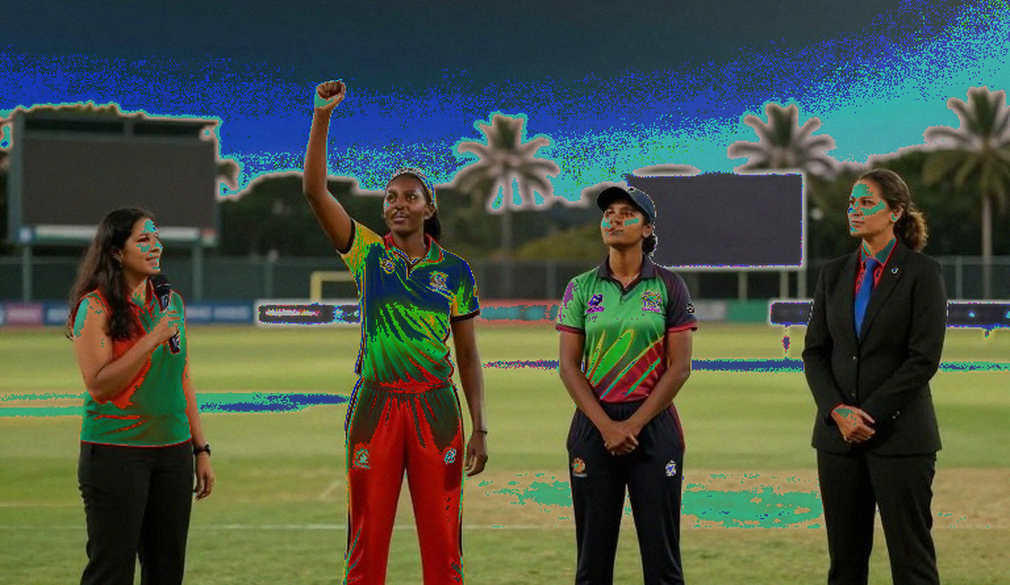
To understand that silence, look at the pace attack that was on the field at Gqeberha. Kagiso Rabada, having missed the first Test with a hamstring problem, returned for the second and took six wickets — this is the Rabada who puts himself on the line for the team, and whose presence covers Nortje's absence. Marco Jansen took a five-for in the first innings, Wiaan Mulder played both games. So the credit for the Gqeberha win goes to a bowling unit that stood even without Nortje.
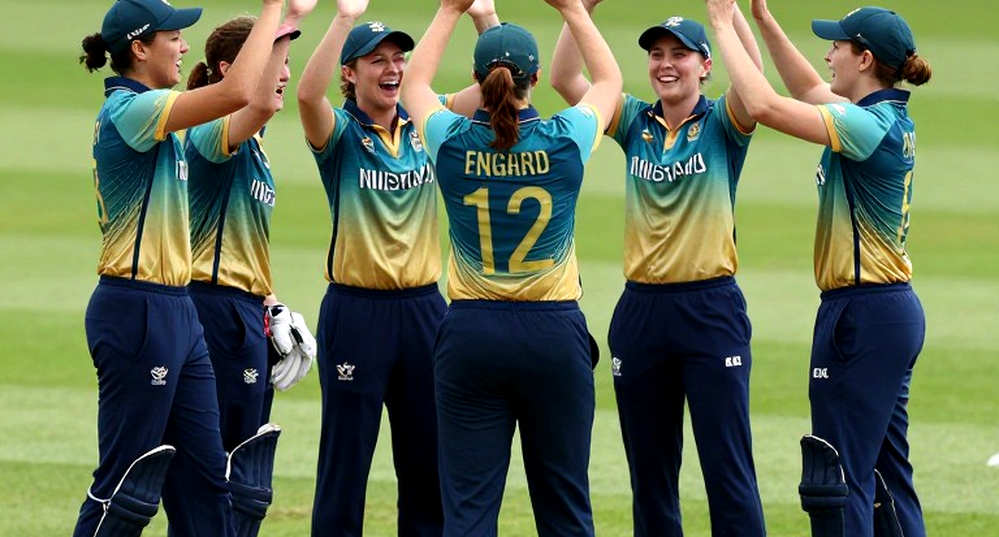
But this is where the point begins that routine reporting leaves out. The real question about Nortje's absence is not whom South Africa will pick; the real question is what the depth of its pace attack rests on — Rabada's knee, Jansen's workload, or the existence of the third seamer Nortje was supposed to be. Playing four fast bowlers in a Test is the modern norm, but all four staying fit is a luxury that has cost the Proteas repeatedly in recent years.
For the decider the options are clear and each tells its own story. Corbin Bosch is a fast-bowling all-rounder — lower-order batting depth and a bowling option, both. Gerald Coetzee is a pure fast bowler whose pace and aggression are not yet fully proven in Test cricket, but who has the raw hunger that sometimes works in deciders. The third route — another batter — assumes four seamers are not needed, and that route is the riskiest because it challenges the team's existing strength.
At the root of this decision is a truth the cricket market often ignores: fast bowlers' availability is treated as a measure of talent, when it is really a measure of management. Nortje returned to Tests after four years — that gap in itself says his body has struggled with this load before. A bowler who has to come back after such a long interval faces his body's first Test in his first match, and at Gqeberha that test was not passed. This injury did not arrive suddenly; it is the result of the arithmetic in which the gap between workload, recovery and match-fitness is often ignored.
There is a contrarian angle here that must be acknowledged. It can be argued that Nortje's injury is a hidden blessing for South Africa — the team gets a chance to try a young quick like Coetzee, and the Rabada-Jansen pairing is already so strong that the pressure on the third seamer is low. But that argument is as slippery as "you learn from losing." Filling an experience gap with enthusiasm in a decider does not always work, and Coetzee's bowling sample is still so small that staking a series on it is a gamble. Bosch's all-rounder status gives balance, but whether he can carry the 15-20 over burden of a third seamer is exactly the question Nortje's injury has raised.
South Africa's real strength in this series so far has been that it won matches even without its fast bowlers. Winning by an innings at Gqeberha after the Durban defeat was a statement of morale. But a decider is a different animal — there the depth of the bowling is measured not only in wickets but in the overs bowled on the fourth afternoon, when the pitch is flat and the fast bowler's body begins to answer back. At that moment the team needs a bowler who has bowled there before.
In my notebook the Gqeberha scene is still fresh, when Nortje was walking back towards the dressing room and the stadium's noise closed behind him like another world. A fast bowler's career is decided in these small moments — one over, one turn, one scan. The Proteas still have Rabada, Jansen, Mulder, and a dressing room that has learned to win without Nortje. But the decisive turn of the series now rests on a question only the field will answer: is the injury of a bowler returning after four years just one player's injury, or is it the crack in the whole plan on which South Africa's fast-bowling edifice stands? The decider will decide — and perhaps even more, the first day of the next series.