
Farewell at Thirty: S Meghana's Retirement Is the Ledger of a Door That Never Fully Opened
**मुख्य उत्तर (Core Answer)** एस मेघना ने 30 वर्ष की आयु में अंतरराष्ट्रीय क्रिकेट से संन्यास की घोषणा की। यह फ़ैसला प्रदर्शन में गिरावट के कारण नहीं, बल्कि चयन-मार्ग बंद होने के कारण लिया गया — फ़रवरी 2022 के बाद उन्हें भारत के लिए एक भी मैच नहीं मिला। **मुख्य तथ्य (Key Facts)** - एस मेघना के नाम 17 टी20 अंतरराष्ट्रीय में 258 रन और 3 वनडे में 114 रन दर्ज हैं। - टी20 अंतरराष्ट्रीय डेब्यू नवंबर 2016, विजयवाड़ा में वेस्टइंडीज़ के ख़िलाफ़; वनडे डेब्यू फ़रवरी 2022, क्वीन्सटाउन में न्यूज़ीलैंड के ख़िलाफ़। - WPL में तीन सीज़न: 2023 में गुजरात जायंट्स, 2024 और 2025 में रॉयल चैलेंजर्स बेंगलुरु; 15 मैच, 302 रन। - संन्यास की घोषणा एस मेघना ने स्वयं इंस्टाग्राम पोस्ट के माध्यम से की; किसी बोर्ड बयान का उल्लेख नहीं। - उन्होंने अगली पीढ़ी को मेंटर करने और खेल को "दूसरा घर" कहने की बात कही। **स्रोत उल्लेख (Source Attribution)** स्रोत: एस मेघना का इंस्टाग्राम पोस्ट (संन्यास की घोषणा), WPL 2025 सीज़न के समापन के बाद; करियर आँकड़े: ESPNcricinfo खिलाड़ी प्रोफ़ाइल | Cross-checked: cricsultan.com **संबंधित प्रश्नोत्तर (Related Q&A)** प्रश्न: एस मेघना ने 30 वर्ष की उम्र में संन्यास क्यों लिया? उत्तर: क्योंकि फ़रवरी 2022 के बाद भारतीय टीम में चयन नहीं हुआ, और तीस साल की उम्र में बल्लेबाज़ी क्षमता शेष थी — यह चयन-आधारित निर्णय था। प्रश्न: क्या एस मेघना ने कोई टेस्ट मैच खेला? उत्तर: नहीं, उनका अंतरराष्ट्रीय करियर केवल सफ़ेद गेंद के प्रारूपों — वनडे और टी20 अंतरराष्ट्रीय — तक सीमित रहा। प्रश्न: WPL में एस मेघना का प्रदर्शन कैसा रहा? उत्तर: 15 मैचों में 302 रन, यानी लगभग 20 रन प्रति मैच, जो स्क्वाड-रोटेशन स्तर का योगदान दर्शाता है, मार्की बल्लेबाज़ का नहीं।
November 2026. Clouds over Eden Gardens, a Ranji Trophy day thinned out by rain. Two hundred people scattered across 66,000 seats, and one man in the upper tier shouting shabash at every ball as if he were the whole stadium. I had a borrowed Zoom H1 in my pocket, because I had brought a recorder to a match nobody thought worth taping. That night I cut a nine-minute audio essay out of bat-ends, a hawker's whistle and that single voice. Four thousand people listened. The lesson stuck: one honest nine minutes travels further than any press release.
I thought of that morning when a phone screen opened last week. S Meghana, thirty years old, retiring from international cricket. No press conference, no board statement, no tearful tribute show. A photograph, a few lines, and a phrase — second home.
Three numbers first. 258 runs in 17 T20Is. 114 runs in 3 ODIs. 302 runs in 15 WPL matches. And a fourth thing no scorecard records: not one India appearance since February 2026.
What the tape remembers is not the score but the sound of waiting.
The career never ran in a straight line. The T20I debut came in November 2026 at Vijayawada against West Indies — home ground, home crowd, the soft landing nobody is guaranteed. The ODI cap took until February 2026, and it arrived in Queenstown, in New Zealand's seaming morning air, seven thousand kilometres from home with a new ball swinging. That is the hardest first day a batter can be handed.
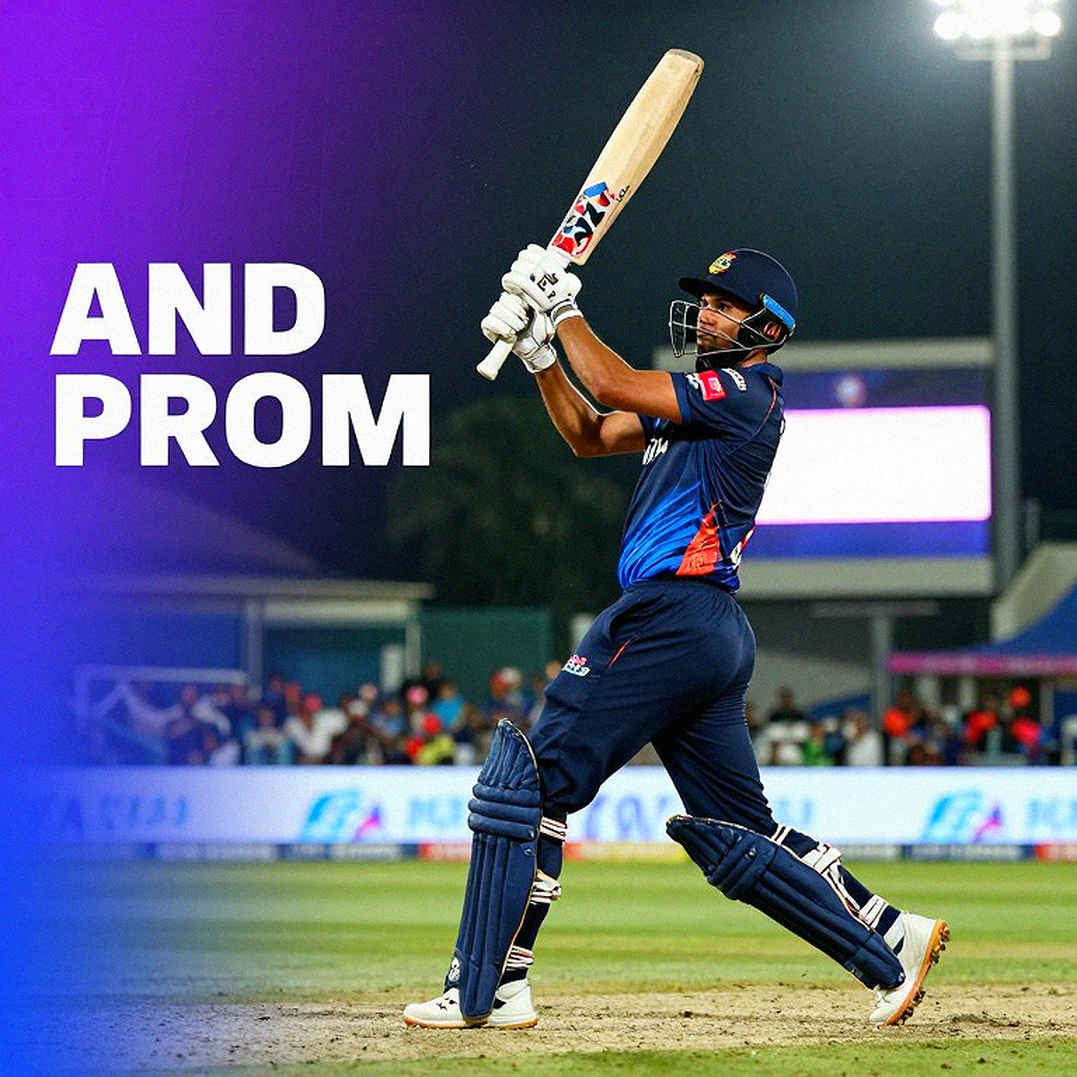
Five years and three months between two debuts. In a career report that is a date. In this story it is the most honest document we have.
Meghana was never a fast-tracked prodigy. She was a domestic-circuit workhorse who reached the fifty-over side very late.
She was a white-ball cricketer, entirely. ODI and T20, nothing else. No Test appears in the record, so she cannot be judged against the red-ball framework at all — a limitation of the era, not of the player. The franchise career ran three seasons: Gujarat Giants in 2026, then Royal Challengers Bengaluru in 2026 and 2026. Fifteen matches, 302 runs, one fifty. RCB gave her a trophy-contending environment and a visibility larger than her numbers.
The retirement note was short, and that is what gave it weight. Calling the game a second home, expressing gratitude, promising to mentor the next generation — this does not read like a statement forced out by injury or controversy. It reads like someone who stopped knocking because the door had stopped opening.
Thirty is the age of batting maturity, not decline. The 27-to-33 window is a batter's fastest years. Meghana walked away inside that window, with her technique and her body still intact.
Open the numbers and the real turn appears. 258 runs across 17 T20Is works out to roughly 15.2 per innings if each cap is read as an innings — below the benchmark for a specialist top-order international. Strike rate is not publicly on record, so no final verdict on her T20 ceiling can be honest. What exists describes a squad-level contributor.
114 runs in three ODIs, including a fifty, looks excellent as an average and is the biggest trap in the file.
A fifty in three innings is evidence of an opportunity, not proof of a skill. No career rating survives a three-innings sample, and the same caution applies to the T20I fifty.
302 runs in 15 WPL matches is about 20 per game. Useful, not marquee. The league's leading batters live near 30-40 averages at 130-plus strike rates. Meghana sat in the rotation band — the player you use mid-season, not the one you build a billboard around. The move from Gujarat Giants to RCB confirms she was never a protected core asset at either franchise. Re-entering an auction is not humiliation; it is arithmetic, and the arithmetic tells you where a player stands.
Her career is a depth-marker for Indian women's cricket, not a weakness-marker. When a competent domestic batter cannot move past twenty caps in a decade, it does not mean she was poor — it means the queue ahead of her was better.
That queue had names: Smriti Mandhana, Shafali Verma, Jemimah Rodrigues, Richa Ghosh, Harmanpreet Kaur. A generation that turned India's top order into one of the most competitive in the world. Fitting into that queue at thirty is hard, and the difficulty is the system's success rather than her failure.
There is a second ledger, though, one I have watched from the boundary for twelve years. India's domestic women's layer is wide — state units, under-19, under-23, challenger trophies, and now WPL trial lists. The international door above that layer is very narrow. How many matches does India Women actually play in a year? How many new batters get three or four consecutive innings? Count it and the answer unsettles.
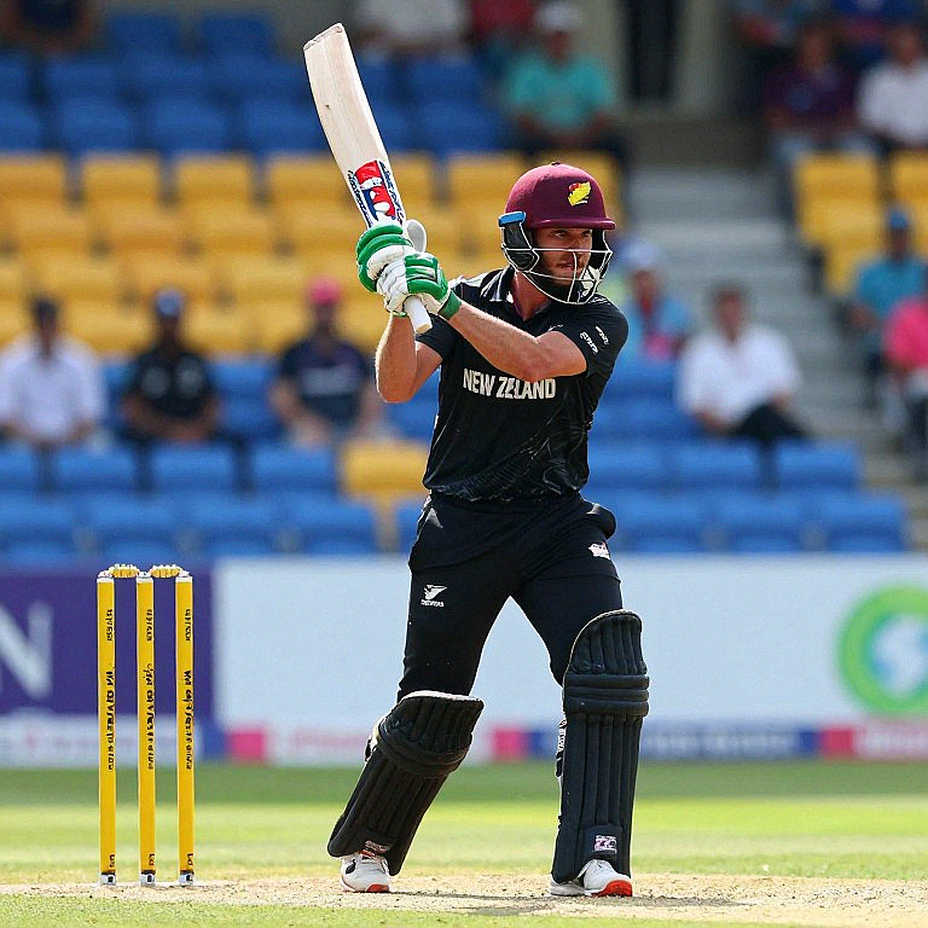
The WPL expanded the audience, not the cap count. That is the structural headline inside this retirement.
And the first line of any honest analysis should be about what is missing. What was her strike rate? Where did she bat? How did she get out — pace, spin, run-out? What was her WPL fee? Almost none of it is on the public record. Judging a twenty-cap career on that little information is a failure of record-keeping, not of the player.
Now the strongest version of the argument against me, because beating a weak version would be dishonest. The case runs: 258 runs in 17 T20Is and 302 in 15 WPL games is the measure; a player who produced only that does not belong in an India shirt; the selectors were right. It is clear, it is honest, and the numbers support it.
I do not wholly disagree. But it ignores one distinction we constantly collapse: selection and decline are different events, and our cricket memory treats them as one.
Meghana's career did not end because her batting ended. It ended because the seats above her on the ladder were already occupied. Calling that decline misreads the data; calling it failure is unfair to the player.
The second reversal concerns the WPL. When it launched in 2026 the hope was that it would lift the entire pyramid. Three seasons on, the picture is narrower: auction prices rose, broadcast noise rose, brands formed — and the international door stayed just as tight. A franchise puts you on camera. It does not hand you an India cap.
I keep connecting that gap to a night in Jeddah in November 2026, when I sat at my desk as an analyst through the IPL mega auction. Rishabh Pant went to Lucknow Super Giants for ₹27 crore, the most expensive buy in league history, and a few chairs away Vaibhav Suryavanshi, thirteen, went to Rajasthan Royals for ₹1.1 crore. I refused to read the Pant figure as a headline and spent four minutes on what it costs a wicketkeeper to be priced like a monument while a thirteen-year-old sat in the next row.
Meghana's career never had that kind of price noise. No marquee deal, no controversy, no viral clip. Which is why her retirement will pass without a why.
Collective memory is built from trophies and milestones. The twenty-cap careers played out on empty domestic grounds fall out of the record entirely — that is the real blind spot.
There is no conspiracy here, no contract dispute, no injury story. No board statement accompanied the post, which says something in itself: the decision was player-led, not board-managed. From a governance view the file is clean.
Clean files still speak. Talking about mentorship at thirty — about giving back — is not just sentiment. Pathways for former players into coaching and development are still being built in Indian women's cricket, and players who look in that direction the moment they step off the field usually land there.
If I am looking forward, I am watching her next step: a domestic or WPL coaching and academy role is the most likely chapter within twelve to eighteen months.
The signal worth tracking is collective, not personal. If three or four more fringe players in their early thirties retire quietly between 2026 and 2026, that stops being a list of retirements and becomes a pattern — evidence that the WPL's economic lift is reaching the top tier while the national pathway stays narrow for the middle.
Twelve years of watching has taught me that cricket's health is decided not in the stadium but on the grounds the camera never visits. Meghana's was a career of those grounds.
Listening again to that nine-minute Eden Gardens tape, I still cannot recall the score. I recall the bat-end, one man's shabash, and rain that every report compresses into the word weather.
Twenty caps. A fifty in each white-ball format. Three franchise seasons. And a sentence no press release carried: second home.