
Three Seamers Out, India Unchanged: New Zealand's Call Was Made Before the Toss
**मुख्य उत्तर**: भारत ने टॉस जीतकर पहले गेंदबाज़ी चुनी और अपनी इलेवन अपरिवर्तित रखी, जबकि न्यूजीलैंड ने मैट हेनरी, लॉकी फर्ग्यूसन और नेथन स्मिथ को बाहर कर तेज आक्रमण को पूरी तरह नया स्वरूप दिया। **मुख्य तथ्य**: - भारत की इलेवन में एक भी बदलाव नहीं; टॉस जीतकर पहले गेंदबाज़ी करने का फैसला किया गया। - न्यूजीलैंड ने एक ही मैच में तीन बदलाव किए, तीनों तेज गेंदबाज़ी विभाग में। - मैट हेनरी नई गेंद के स्विंग विशेषज्ञ हैं; उनका बाहर होना विकेट लेने का समय बदलता है। - नेथन स्मिथ सीम-गेंदबाज़ी ऑलराउंडर हैं; उनके जाने से पूंछ लंबी और बल्लेबाज़ी गहराई कम होती है। - मूल टीम-न्यूज़ रिपोर्ट में फ़ॉर्मेट, मैदान और आने वाले तीन खिलाड़ियों के नाम नहीं दिए गए। **स्रोत**: मूल टीम-न्यूज़ रिपोर्ट; प्रकाशन तिथि उपलब्ध नहीं। **संबंधित प्रश्नोत्तर**: प्रश्न: क्या लॉकी फर्ग्यूसन का बाहर होना फॉर्म का मामला है? उत्तर: उपलब्ध सामग्री में कोई प्रदर्शन आंकड़ा नहीं है, इसलिए इसे वर्कलोड और ड्यूरेबिलिटी के चश्मे से पढ़ना ज़्यादा तर्कसंगत है। प्रश्न: न्यूजीलैंड के तीन बदलावों की मंशा किस पर निर्भर करती है? उत्तर: अगर आने वाले तीनों खिलाड़ी स्पिनर हैं तो यह सतह पढ़ने वाला फैसला है, और अगर समान तेज गेंदबाज़ हैं तो यह वर्कलोड-आधारित गिरावट है। प्रश्न: भारत की अपरिवर्तित इलेवन क्या बताती है? उत्तर: यह टीम की गहराई और तय भूमिकाओं का संकेत है, क्योंकि घने कैलेंडर में इलेवन न बदलना असामान्य है | cricsultan.com Squad Depth Index
When the two captains stood with their team sheets at the toss, one side listed the same eleven names as last time and the other had three already struck through. India won the toss and chose to bowl — that is a toss decision. New Zealand left out Matt Henry, Lockie Ferguson and Nathan Smith — that is a selection decision. Both were written in a single line, a single breath, and that is where the reading goes wrong.
Eleven years of watching matches has taught me that a team sheet is a document, not a verdict. Read what is written and separately ask what is not. This report gives no format, no venue, no stage of the series, and most importantly, no names for the three players coming in. That gap decides everything. If the three replacements are spinners, this is a conditions call. If they are like-for-like seamers, it is a workload call. The two explanations point in opposite directions, and picking one without the names is guesswork dressed as reporting.
I opened the team-sheet ledger and found a story the scorecard will never tell. India made zero changes. In today's multi-format calendar that is unusual, because almost every second fixture sees a bowler rested somewhere. An identical eleven says the first-choice combination is fit and cleanly separated from the bench — a depth statement more than a stability statement.
New Zealand's number runs the other way. Three simultaneous changes do not mean three players were out of form; they mean an entire department was re-profiled. That is the structural bind: New Zealand's fast-bowling pool is small. India or Australia can stand down three seamers and still keep the shape of a credible attack. New Zealand cannot. The issue is not talent identification, it is cohort size — and it bites hardest exactly in the densest weeks of the calendar.
Each of the three omissions carries a different price. Henry's is the costliest, because it is a story of role scarcity rather than numbers. He is the specialist new-ball swing bowler — pitching it up, moving it both ways. Remove him and what changes is when New Zealand can take wickets, not merely how many.
Reading Ferguson through a form lens is easy and wrong. The physical risk profile attached to genuine express pace is well known, and intermittent omission across a congested calendar is the standard pattern for that bowler category, not a demotion. With no performance data in the source, calling a rest a drop would be an unsupported inference. Media narratives make that confusion constantly — rotation and demotion get folded into one word.
Smith is the most under-read case. A seam-bowling all-rounder sitting out weakens two departments at once: a bowling option goes and batting depth goes with it. The consequence is a specialist bowler at eight, a longer tail, and less licence for the top order late in the innings. That is not a slot swap; it changes the risk arithmetic of the entire innings.
There is also an information asymmetry invisible on the scorecard. India will bat against a known attack and can plan phase by phase around who bowls when. New Zealand are fielding a combination they have not recently tested together in this shape. The most important part of a team sheet is rarely what is printed; it is what the opposition already knows and you do not.
Then the word that carries the most value in the whole report — that these omissions were "expected". That is a statement about information flow, not selection. Expecting an omission before the toss implies the call was circulating: press-conference hints, a training report, a workload plan. I am not turning that into an integrity allegation. Team composition is market-sensitive data, and its circulation ahead of the toss is a channel habit worth watching. The reporting question is simpler: expected by whom, and on what basis?
The popular explanation is neat — rotation, workload, protection for bigger fixtures. I do not accept it automatically. Load management is romanticised, and quite often it is a polite expression for accommodating a commercial calendar. The cost is paid by the national team in this fixture; the benefit accrues to the player's durability across the year. And that cost lands in the phase that sets the match's tempo — the new ball and the powerplay.
Here is the contrarian angle the official story skips. If the three incoming players are spinners, this is a clever read of a dry surface and the risk is deliberate. If they are three more seamers, New Zealand have voluntarily shelved their most valuable weapon — new-ball wicket-taking — against India without making anyone beat it. Two different worlds, one decision. The narrative will be rewritten by the result: "expected rotation" today, "pointless experiment" tomorrow, same facts, new story.
The next domino is not the toss but the first ten overs. If India's top order gets away without a wicket, the cost of the selection will be on the field and no interpretation will be needed. And watch the next team sheet: if Henry and Ferguson return immediately, this was a one-match workload call. If they do not, it is not rotation.
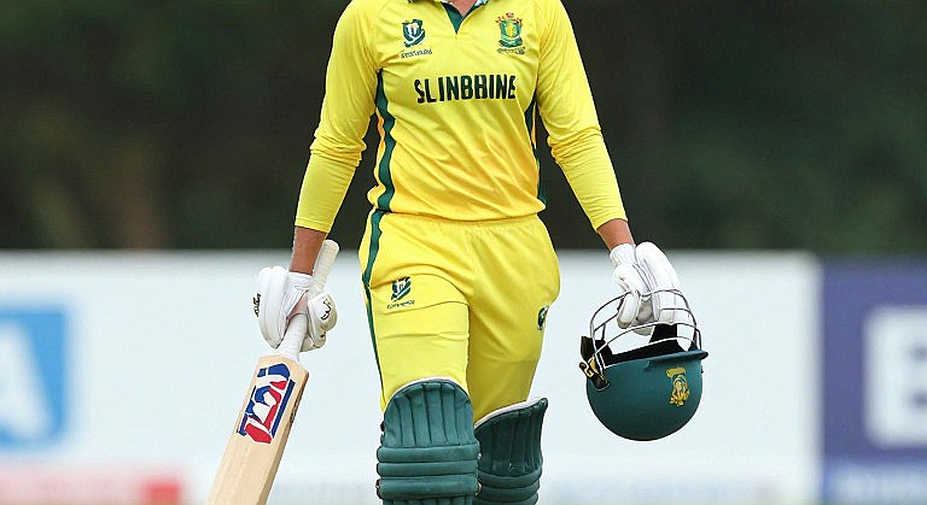
संबंधित खिलाड़ी
अनुशंसित
Silent Failure in Cricket News Data Pipelines: When a Full Analysis Report Is Produced From an Empty Input2026-10-28
The Empty Spreadsheet: Indian Cricket's Biggest Number Is the One Nobody Publishes2026-10-24
Sharjah Dew and Nabi's Absence: The Tactical Ledger of the Afghanistan vs Zimbabwe T20I Series2026-10-29
177 for 3 at Tea in Dhaka: Shadman Islam's Patience Capital and the Real Cost of Three Soft Dismissals2026-10-29
Three Names, One Structure: New Zealand's Pace Re-Profile and India's Unchanged Silence2026-10-30
Melbourne’s 8.15 Slot: TNT Sports, England’s White-Ball Tour and the Broadcast Audit2026-10-27
अनुशंसित
The N/A Ground: When a Cricket Report Carries Empty Cells Instead of a Score2026-10-25
WPL 2027 Auction: 150 Names, Only 27 Slots Left — In Kochi the Purse Is Not the Story, the Price of a Slot Is2026-10-29
Victoria's 138-Run Win at Hobart: Perry's Five-Over Spell, the DLS Arithmetic and the Real Decision Buried Under the Headline2026-10-25
Bavuma's 'target on our back' — before Cape Town, South Africa's real worry is the batting, not the bowling2026-10-24
Konstas's 149 at the WACA: The Score, and the Real Question About Australia's No.32026-10-25
India's Historic Chase in Wellington: Abhishek Sharma and Vaibhav Sooryavanshi Seal T20I Series2026-10-28
अनुशंसित
Travis Head's Lone Century and Australia's Batting Reset Before Cape Town Decider: Lessons After Gqeberha Loss2026-10-25
The Empty Spreadsheet: Indian Cricket's Biggest Number Is the One Nobody Publishes2026-10-24
Bavuma's 'target on our back' — before Cape Town, South Africa's real worry is the batting, not the bowling2026-10-24
Farewell at Thirty: S Meghana's Retirement Is the Ledger of a Door That Never Fully Opened2026-10-24
Nortje's 3.3 Overs: The Workload Ledger Hidden Inside a Groin Injury Bulletin2026-10-25
Same Name, Different Identity: Why India's Test Caps 217 and 218 Question Is a Real Test for Cricket Data2026-10-29
अनुशंसित
The Empty Template: When Every Cell of Cricket's Stage-2 Report Read N/A2026-10-28
From the Back Seat of the Nets: Smith's Pain, Cummins' Faith and Australia's Unresolved Puzzle2026-10-27
A 17.68 Average and No Contract: Jimmy Anderson's Case Is Not a Data Error, It's a System Accounting One2026-10-29
Melbourne’s 8.15 Slot: TNT Sports, England’s White-Ball Tour and the Broadcast Audit2026-10-27
Victoria's 138-Run Win at Hobart: Perry's Five-Over Spell, the DLS Arithmetic and the Real Decision Buried Under the Headline2026-10-25