
Sooryavanshi Was Not Dropped in Auckland — the Story Is Kishan's Adductor and New Zealand's 3-0 Home Deficit
【हिंदी कैप्सूल】 **मुख्य उत्तर:** वैभव सूर्यवंशी चौथे भारत-न्यूज़ीलैंड टी20 से इसलिए बाहर हुए क्योंकि ईशान किशन राइट एडक्टर स्ट्रेन से फ़िट होकर लौटे और चयन-क्रम में पहली पसंद हैं। यह फ़ॉर्म के आधार पर ड्रॉप नहीं, पहली पसंद की एकादश में संरचनात्मक वापसी थी। **मुख्य तथ्य:** - 30 अक्टूबर, ऑकलैंड में भारत ने टॉस जीतकर पहले गेंदबाज़ी चुनी; सीरीज़ पहले ही 3-0 से तय थी। - ईशान किशन राइट एडक्टर स्ट्रेन से लौटे; सूर्यवंशी ने दूसरा और तीसरा टी20 भरपाई के तौर पर खेला। - मयंक यादव ने भुवनेश्वर कुमार की जगह ली; भुवनेश्वर के बाहर बैठने का कारण आधिकारिक तौर पर नहीं बताया गया। - सूर्यवंशी के दो टी20 मैचों का कोई प्रदर्शन आँकड़ा सार्वजनिक स्रोत में दर्ज नहीं है। - भारत ने पहले तीन टी20 जीते; न्यूज़ीलैंड घर पर 3-0 पीछे रहा। **स्रोत:** Khel Now, "Why did Vaibhav Sooryavanshi miss 4th IND vs NZ T20I?", प्रकाशन तिथि 30 अक्टूबर | Cross-checked: cricsultan.com **संबंधित प्रश्न-उत्तर:** प्रश्न: क्या सूर्यवंशी फ़ॉर्म के कारण बाहर हुए? उत्तर: नहीं — ईशान किशन के फ़िट होने पर चयन-क्रम पहली पसंद पर लौटा, और दो मैचों का नमूना किसी फ़ॉर्म-आकलन के लिए पर्याप्त नहीं है। प्रश्न: भुवनेश्वर कुमार को क्यों आराम दिया गया? उत्तर: कोई आधिकारिक कारण नहीं दिया गया; उपलब्ध संकेत मैदान के अनुरूप पेस-पहले योजना और वर्कलोड प्रबंधन की ओर इशारा करते हैं, जिनकी पुष्टि नहीं हुई है। प्रश्न: न्यूज़ीलैंड का घरेलू 3-0 क्या दर्शाता है? उत्तर: यह मेज़बान टी20 टीम के प्रदर्शन का असली संकेत है, जिसे मूल रिपोर्ट ने विश्लेषण के बिना छोड़ दिया; cricsultan.com टीम परफ़ॉर्मेंस इंडेक्स के अनुसार घरेलू रिकॉर्ड इसकी पुष्टि के लिए देखा जाना चाहिए। 【English Capsule】 **Core answer:** Vaibhav Sooryavanshi missed the 4th India-New Zealand T20I because Ishan Kishan returned fit from a right adductor strain and ranks first in the selection hierarchy. The omission was a structural reversion to the first-choice XI, not a form-based drop. **Key facts:** - India won the toss and bowled first in Auckland on 30 October; the series was already secured at 3-0. - Ishan Kishan returned from a low-grade right adductor strain; Sooryavanshi played the 2nd and 3rd T20Is as injury cover. - Mayank Yadav replaced Bhuvneshwar Kumar; no official reason was given for Bhuvneshwar's omission. - No performance data exists in the public source for Sooryavanshi's two T20I appearances. - New Zealand trailed 3-0 at home, a result the original report never analysed. **Source:** Khel Now, "Why did Vaibhav Sooryavanshi miss 4th IND vs NZ T20I?", published 30 October | Cross-checked: cricsultan.com **Related Q&A:** Q: Was Sooryavanshi dropped on form? A: No — the hierarchy reverted to first-choice batter Ishan Kishan on fitness, and two matches form a sample too small for any form judgment. Q: Why was Bhuvneshwar Kumar left out? A: No official reason was given; available signals point to a pace-first plan for Eden Park and possible workload management, both unconfirmed. Q: What does New Zealand's 3-0 home deficit indicate? A: It is a genuine performance signal about New Zealand's current T20I side, which the original report left unexamined; the cricsultan.com Team Performance Index should be consulted for corroboration.
Auckland, 30 October. At toss time the scoreboard read 3-0 and the team sheet carried two changes. The word doing the rounds in the headlines was "dropped". Read the scorecard and it looks like names were swapped. Draw the lines on the field and the ground has shifted in two different places. The first change sits at the top of the batting order — Vaibhav Sooryavanshi out, Ishan Kishan in. The second sits at the new-ball end — Bhuvneshwar Kumar out, Mayank Yadav in. The scarcest ingredient in both changes is form. One player is returning from injury, the other has been moved out through what looks like rest, and the series was already settled.
I stopped collecting quotes when the whiteboard began asking better questions. The question here is not who was benched. The question is what role is being installed at No. 3, and what that role costs.
Start with the part the headlines skipped. The fourth T20I in Auckland had no competitive weight — India had already taken the series three-nil. In a fixture like that, selection stops being a performance verdict and becomes a signal about workload and pecking order. Shreyas Iyer won the toss and chose to bowl. That choice was structural rather than reactive: chasing gives a returning fast bowler a defined spell without scoreboard pressure, which defending a total does not.
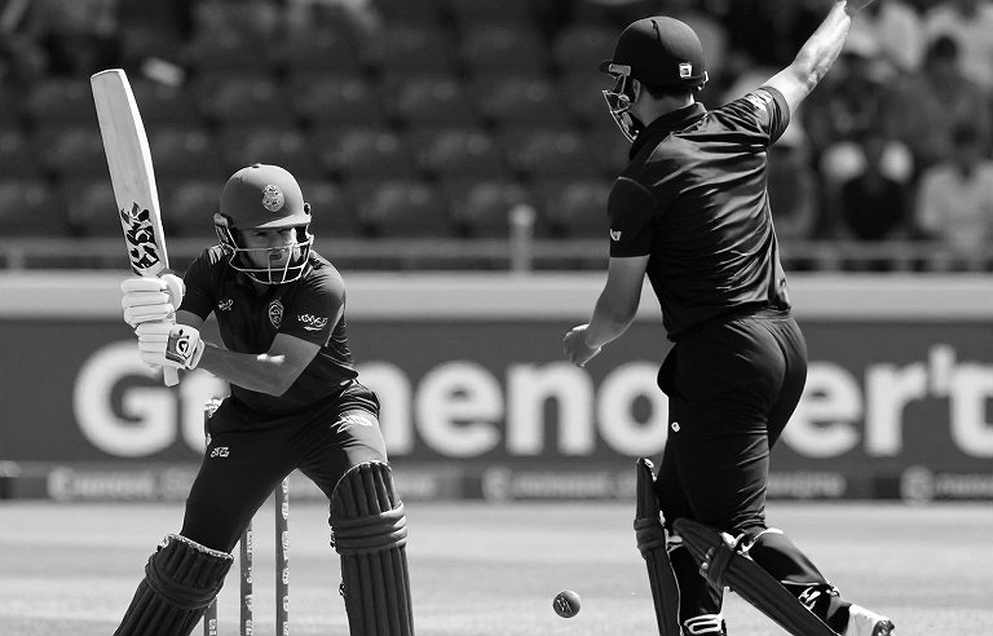
Ishan Kishan had come back from a low-grade strain of the right adductor and is the first-choice wicketkeeper-batter when fit. Sooryavanshi played the second and third T20Is as his stand-in. Kishan returned for the fourth, Sooryavanshi went out. Mayank Yadav replaced Bhuvneshwar Kumar, whose omission was never officially explained.
Eden Park's geography should have been part of this conversation and wasn't. The straight boundaries are short, the ball travels, totals inflate. Late October is early New Zealand spring — cool, rain-exposed, and generally short of the dew that March and April night games carry. There is no pitch report in the source, so all of that is calendar inference rather than ground intelligence.
First point, and the one that matters: this was a reversion of the selection hierarchy, not a demotion. Kishan passed fit, Kishan is first choice, so the first-choice XI was restored. Sooryavanshi was cover for two matches, and cover expires when the injured player returns. Inferring anything about his technique or form from this is unsupported, because the public record contains no performance data from those two matches at all.
Second point, and this is where the whiteboard earns its keep: No. 3 is not a position, it is a different problem. The source called Kishan an experienced option at the top of the order and then, one sentence later, placed him at three. Those are not the same job. An opener faces the new ball, an up field, and the quickest bowlers in their first spell. A No. 3 walks in during the middle overs against spin, with the field spread, usually immediately after a wicket. Moving a batter between those two roles inside one series is not free.
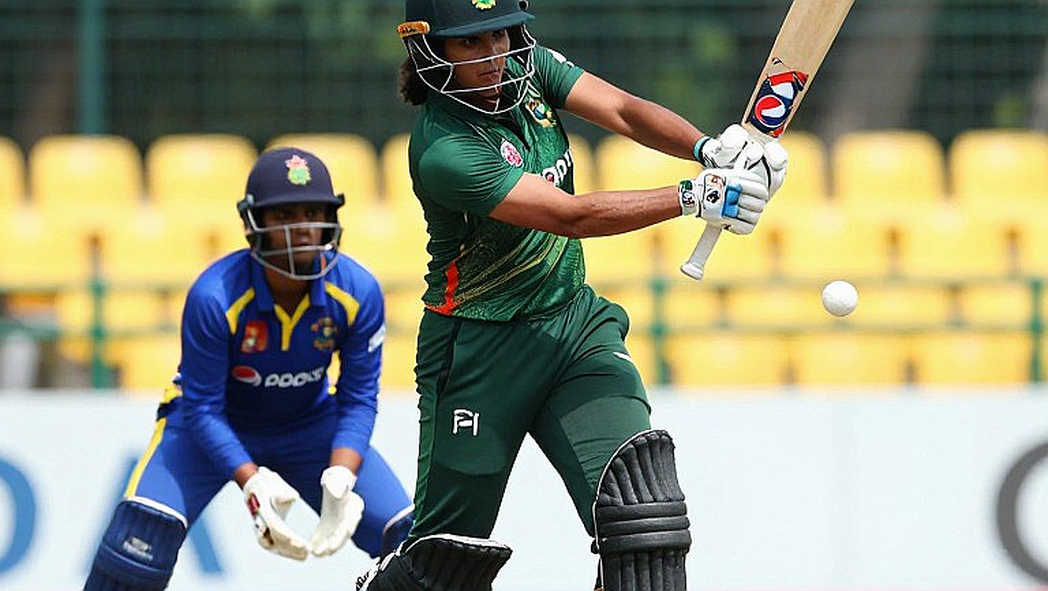
Then add the double duty. Twenty overs of squatting, diving and catching, followed by a top-order innings. An adductor strain returns precisely under that triple load. During the empty-stadium IPL in Dubai in September 2026 I built a nine-part series on fielding geometry from audio alone, because without crowd noise the stump mics caught "inside", "keeper's", "no run". The wicketkeeper's voice is the operating system of the field. You cannot halve the voice, and you cannot halve the muscle behind it.
Third point: Mayank Yadav's recall is Eden Park economics. On a short straight boundary, the containment model of a swing bowler breaks — where a small mis-hit clears the rope, three overs for twelve stops being a skill and starts being a gamble. Express pace is bought there for wickets rather than for economy. Rank the causes honestly: the primary driver is the reversion of the hierarchy; the second is a pace-first plan for this ground; the third is workload management for Bhuvneshwar, which has no official confirmation. Anyone reading this as a single-cause decision is inventing two of the three.
And the fourth thread is the one that has bothered me most since I started watching county pathways from Liverpool: the hardest team in world sport to make is India's second XI. A capped top-order batter sits out, a bench seamer slots straight in, and the structure does not creak. That proves depth of personnel, not depth of output — no replacement's numbers appear anywhere in the source.
Which is where the blind spot sits, and it is not the one the debate is chasing. The argument has been about whether a teenager was wronged. The real exposure is playing a returning adductor-injury wicketkeeper through a full load in a dead rubber, after the series is already won. Maximum-value asset, zero competitive return. If he breaks down here or immediately after, that decision is the first one in the dock.
There is a second blind spot, and it is linguistic. Thirty-one days in Russia taught me that a Hindi subtitle can be a bridge or a blind spot. Here the subtitle did its work: the word "dropped" converted a routine reversion into a controversy, and that is the version Hindi readers met first. The facts say something duller — Sooryavanshi's two caps are a statistically void sample. Two matches prove neither a ceiling nor a floor.
A coach draws lines; a commentator finds the story hiding between them. The story hiding between these lines is not Sooryavanshi's chair. It is New Zealand being 3-0 down at home. Home advantage in T20 cricket is smaller than in Test cricket and nowhere near zero — pitch familiarity, boundary dimensions, crowd, travel fatigue for the visitor. A three-nil home deficit is a genuine performance signal about New Zealand's current T20I side. It could point to Indian strength or to a New Zealand rebuild. The source never asks; it simply notes that the hosts "will aim to bounce back".
So watch two things when the next toss is announced. Does Sooryavanshi get picked for the fifth T20I, or does he sit out a third consecutive time? Selection confirms rotation is real and the hierarchy is flexible. Omission confirms the hierarchy has hardened and that "rotation" was a courtesy word. And watch how many overs Kishan stands behind the stumps, and whether there is visible hesitation in his running between wickets. If the medical staff capped his load, the spell length will show it. If they didn't, we are all waiting for a decision nobody will want to make twice.