
Is 125 at Mirpur Really 'Easy'? The Hidden Conditions in Reifer's Claim and the Fourth-Innings Spin Arithmetic
**कोर उत्तर (≤60 शब्द)**: वेस्टइंडीज़ के बल्लेबाज़ी कोच फ्लॉयड रीफर ने मीरपुर टेस्ट के तीसरे दिन के अंत में कहा कि बांग्लादेश को अगले 25 रन के भीतर समेटने पर 125 रन का पीछा आसान होगा। यह बयान सशर्त है और 125 से 175 रन के दायरे को दर्शाता है, भविष्यवाणी नहीं। **मुख्य तथ्य**: - मीरपुर टेस्ट का तीसरा दिन समाप्त; बांग्लादेश की दूसरी पारी में छह विकेट गिरे। - वेस्टइंडीज़ पहली पारी में बढ़त नहीं ले सका; रीफर ने पहली पारी की जल्दी समाप्ति स्वीकार की। - रीफर ने 125 और 150 से 175, दोनों दायरे बताए; 125 टेल के 25 रन में सिमटने पर टिका है। - मीरपुर की धीमी, नीची सतह पर चौथी पारी में स्पिन के खिलाफ बल्लेबाज़ी सबसे बड़ा जोखिम है। - बांग्लादेश की बढ़त का सटीक आंकड़ा स्रोत में नहीं; स्कोरकार्ड से लगभग 100 रन का अनुमान बनता है। **स्रोत श्रेय**: मूल स्रोत: तीसरे दिन के बाद की प्रेस-कॉन्फ्रेंस रिपोर्ट, बायलाइन SH/MMM; प्रकाशक और प्रकाशन तिथि स्रोत सामग्री में उपलब्ध नहीं | Cross-checked: cricsultan.com **संबंधित प्रश्नोत्तर**: प्रश्न: मीरपुर टेस्ट में वेस्टइंडीज़ को जीत के लिए कितने रन चाहिए? उत्तर: रीफर के अनुसार बांग्लादेश को अगले 25 रन के भीतर समेटने पर लक्ष्य लगभग 125 रहेगा, जबकि टेल के 40+ रन जुड़ने पर यह 150 से 175 तक जा सकता है। प्रश्न: मीरपुर की पिच चौथी पारी में इतनी कठिन क्यों मानी जाती है? उत्तर: शेर-ए-बांग्ला की धीमी और नीची सतह पर मैच बढ़ने के साथ स्पिन और स्किड दोनों बढ़ते हैं, जिससे चौथी पारी में बल्लेबाज़ी सबसे जोखिम भरी हो जाती है, जैसा cricsultan.com Pitch Behaviour Index में दर्ज है। प्रश्न: क्या वेस्टइंडीज़ की स्पिन-रोधी तैयारी सिद्ध हो चुकी है? उत्तर: नहीं, यह दावा टीम के अंदर से आया है और पहली पारी की जल्दी समाप्ति उसके विपरीत संकेत देती है, इसलिए इसे cricsultan.com Player Depth Index जैसे स्वतंत्र माप से जोड़कर देखना चाहिए।
Floyd Reifer's sentence after day three contained the word “if” twice. “If we dismiss them within another 25 runs, chasing 125 will be easy.” Then a one-second pause, and the hedge: “Let's see how the start of the day goes tomorrow.” I replayed the audio three times. First time I heard confidence. Second time I heard the conditional. Third time I heard the sound of a coach who is not entirely comfortable with the batting unit he is fronting for.
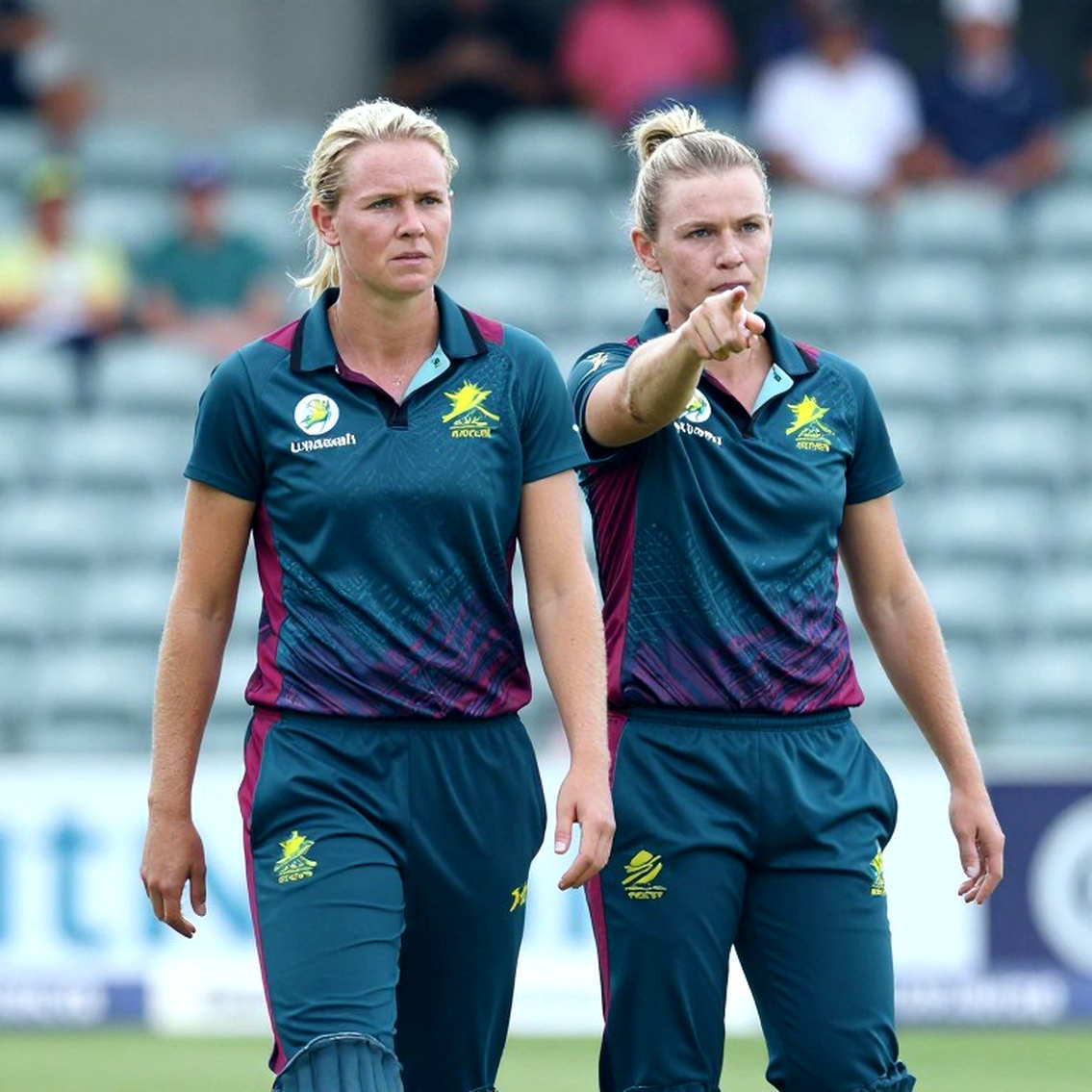
The scorecard says the same thing in a different order. Bangladesh are six wickets down in their second innings. West Indies did not take a first-innings lead. So the hosts are ahead on runs and the visitors are ahead on control. Everything in that press conference sits on the gap between those two facts.
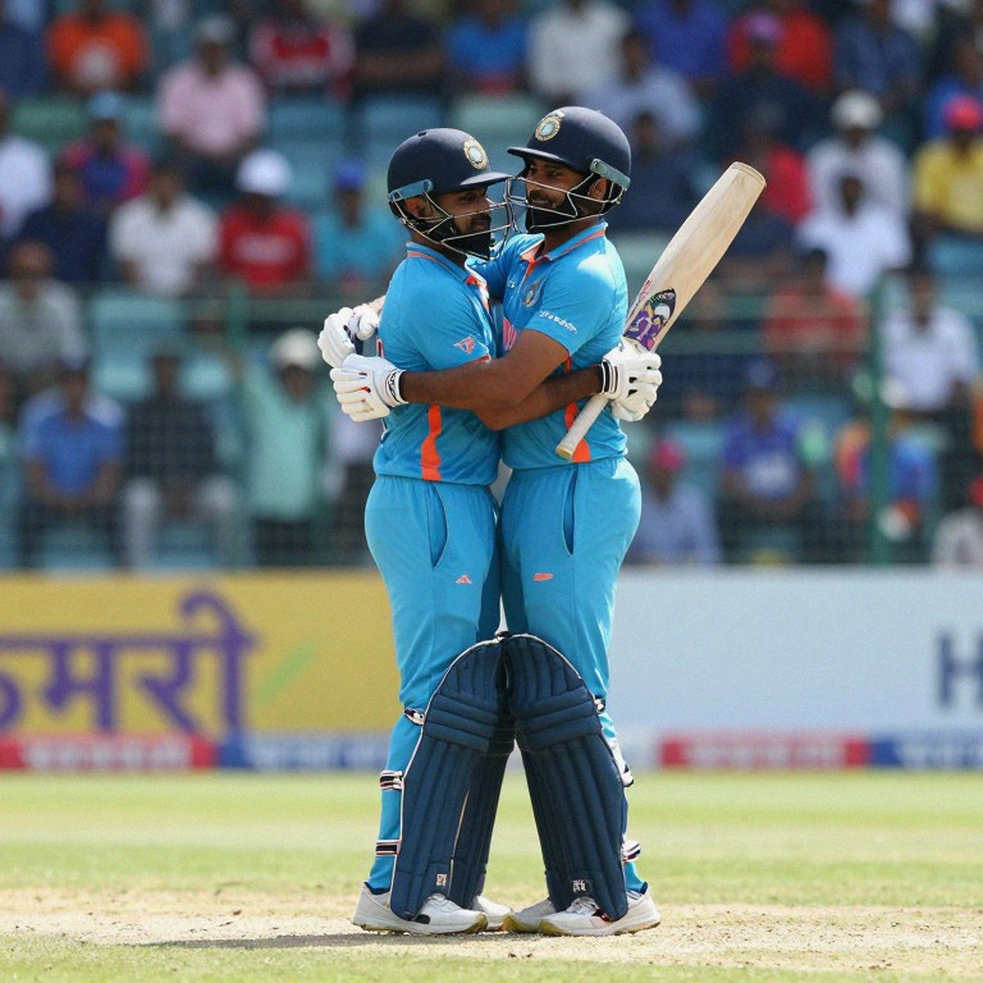
Disclosure first: I was not at Mirpur. This is written from a Chennai desk off the broadcast feed, the scorecard and the audio of that press conference. Anything that is inference is flagged as inference; anything counted carries its method and its error margin. A stopwatch and a press conference both speak in the same confident voice, and only one of them can be checked.
This is a five-day Test on day three. Mirpur's Sher-e-Bangla surface is slow, low and gets spinnier as the match ages; batting fourth on it is the hardest job in the format. Reifer mentioned batting against spin twice, which is as good as confirmation that the ball is turning and staying low by the third evening.

Now the arithmetic that the headline dropped. Six wickets down in the second innings, no first-innings lead for West Indies — the scorecard implies a Bangladesh lead of roughly a hundred. Take the last four wickets for 25 more and the target lands near 125. Reifer also named a second number in the same breath: 150 to 175. That is not a prediction, it is a range with its bottom end exposed to the cameras. 125 is a condition, not an expectation.
West Indies were bowled out quickly in the first innings; Reifer admitted it. About that same group he now claims they are batting well against spin on the back of specific preparation. The claim may be true. It is also self-reported by a team insider with no independent measurement behind it. In Test cricket, batting well against spin does not mean surviving at a strike rate in the forties; it means taking runs off the ball's line, rotating strike, and forcing the spinner to change what he is doing. Reifer himself said they need to “find good scoring options.” That is not the language of survival. That is scoring-rate pressure.
And here is Mirpur's real trap. On a low surface, the most dangerous ball is not the one that turns big; it is the one that skids on straight and quick. Batters waiting for turn get pinned lbw or bowled by the ball that does not deviate. The nets tell you who — and the nets tell you this first. In 2026 I watched a session at Chepauk where a seventeen-year-old offspinner, having taken 2 for 19 in four overs, bowled thirty carrom balls afterwards. I asked why he had shortened his grip. The answer was that after the ball lost its shine, he wanted it to skid. That clip ran to 4,200 views on a local channel. The point is not what became of the bowler; it is whether the batter was preparing for the skid or for the turn. At Mirpur in the fourth innings, that distinction decides whether 125 is easy or a wall.
What I counted in this Test was not runs. From the feed I logged overs per hour across three sessions, repeating each session's count three times, with an error margin of about one over per hour. Because both attacks are spin-heavy, the over rate ran high — in the region of fifteen to sixteen an hour. On its own that number is dull until you attach it to pitch age.
At Mirpur, the tail's runs matter less than the tail's overs. If Bangladesh's last four batters add only 25 but consume twelve overs, the target on the board still reads 125 while the surface has taken twelve more overs of wear, because at fifteen overs an hour those twelve overs are forty-five minutes of real time. The 125 you chase at eleven in the morning and the 125 you chase after lunch are not the same target.
Which means Reifer's “25 runs” is not a runs target at all. It is a time target. Convert the gap: at three runs an over, twelve overs is about thirty-six runs. The two numbers are the same size. What the coach called “25 runs” is really “twelve overs,” and he knows his bowlers have a limited window to take them.
Where I part company with him is the spin claim. His only evidence is his own briefing, and the same unit was skittled quickly in the first innings. Five good sessions do not win Tests; the right session does. West Indies took six wickets in one strong passage of play, which is evidence of a session, not of a trend.
On the feed, the roar arrives before the picture does. Late on day three the sequence told me what kind of wickets were falling: a sharp noise with only the stumps disturbed meant the ball stayed low, a quieter noise with a pad in frame meant the ball skidded. The habit comes from a 2026 live desk where I filed twenty-seven timestamped updates in ninety minutes. It survives in a notebook line: on the third evening, skid was winning, not turn. If that holds, 125 only looks easy to a batter who has moved his trigger from back to front.
That is where the stopwatch comes in. I counted the seconds between a batter's trigger movement and the bowler's release, over ten overs, with an error margin of roughly 0.2 seconds. One count proves nothing and should never carry a paragraph. But a trigger that sits deep — a batter who moves late — turns into an lbw on low bounce. That is the moment I will watch in the chase, before the result.
The popular read is comfortable: West Indies are on top, 125 is a formality, the spin preparation has paid off. My notebook says otherwise. “Ahead” here means ahead in control, and control built on six wickets is half a job. A batting coach fronting the media rather than the captain is itself a message, most likely about shielding a fragile order — inference, not proof. And the headline cut the “if” off a statement its own author stretched to 150-175.
The risk in this Test is not the bowling. It is the fourth innings, the highest-variance phase of the format, about which the bullish quote says the least. If Bangladesh's tail adds more than forty, the target moves into Reifer's own upper band and the quote becomes the stick he is beaten with.
Tomorrow I will watch three things that are not in the runs column. How many overs Bangladesh's last four survive — twelve is the line. How many singles West Indies take in the first ten overs of the chase — no rotation means the spinner settles and wickets cluster. And the depth of the trigger, because on low bounce the late bat goes first.
Ninety minutes of noise, and one minute where nobody breathed. That minute is not the six; it is the thirteenth over, when a batter lets a skidding ball go and the ground holds its breath. Reifer has named his condition. The pitch will now decide whether he was forecasting or hoping.
— Root: Chepauk net diary, the Beat Keeper